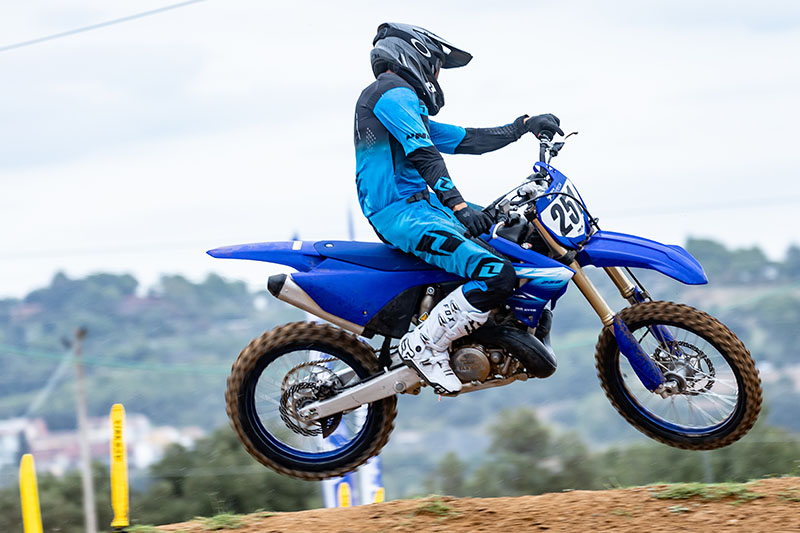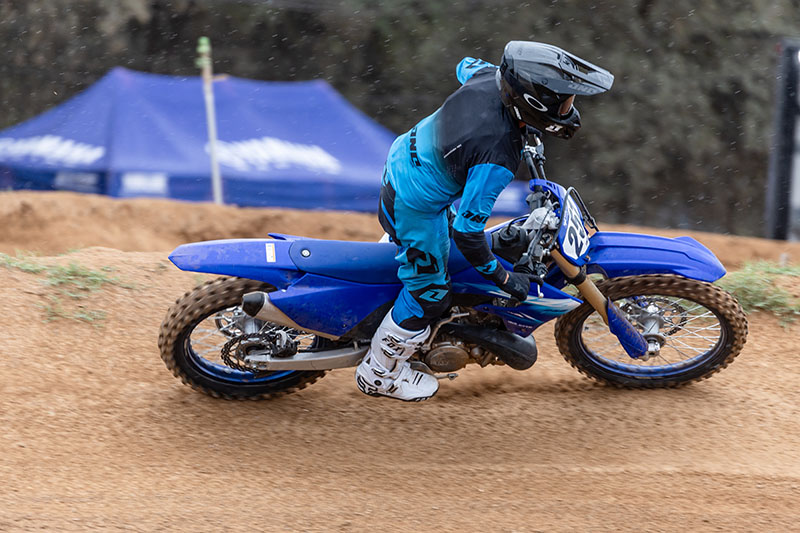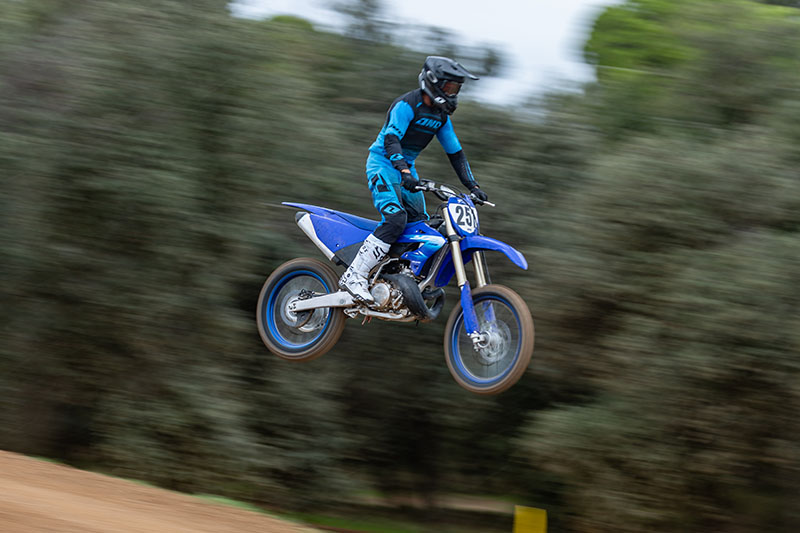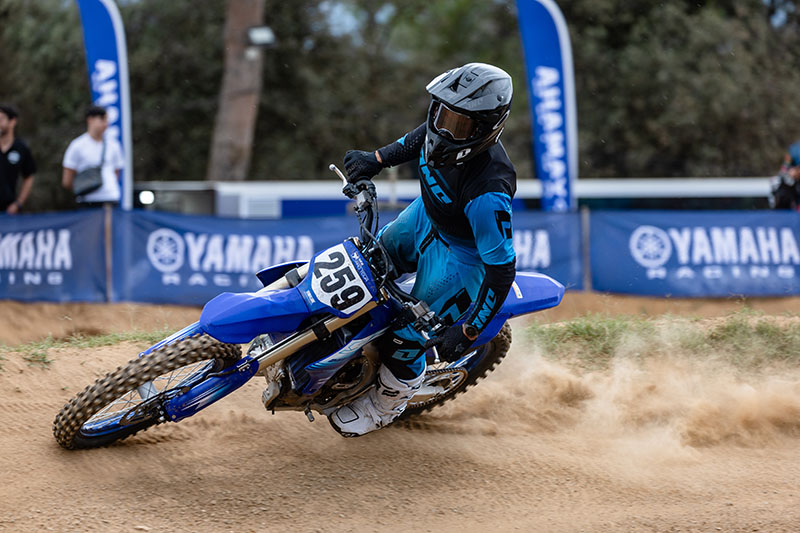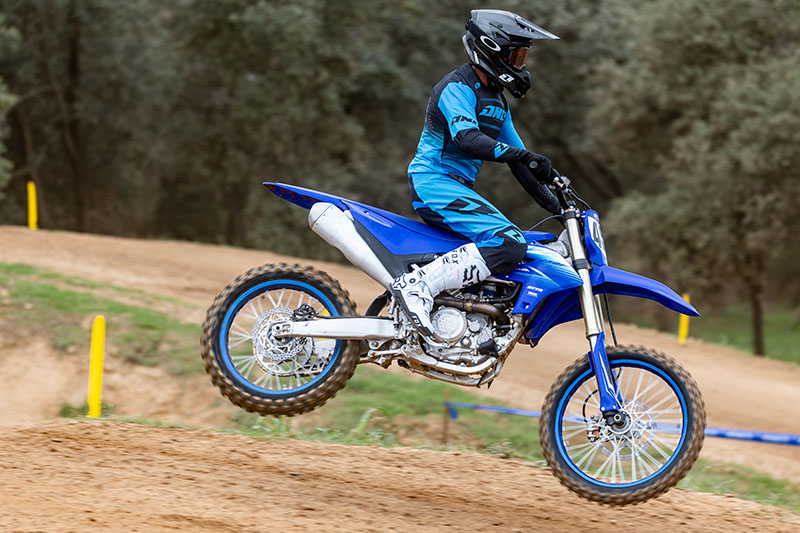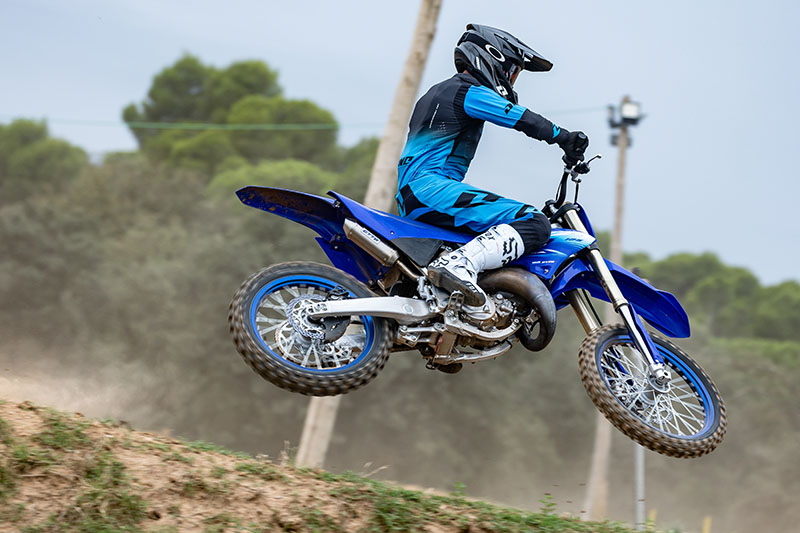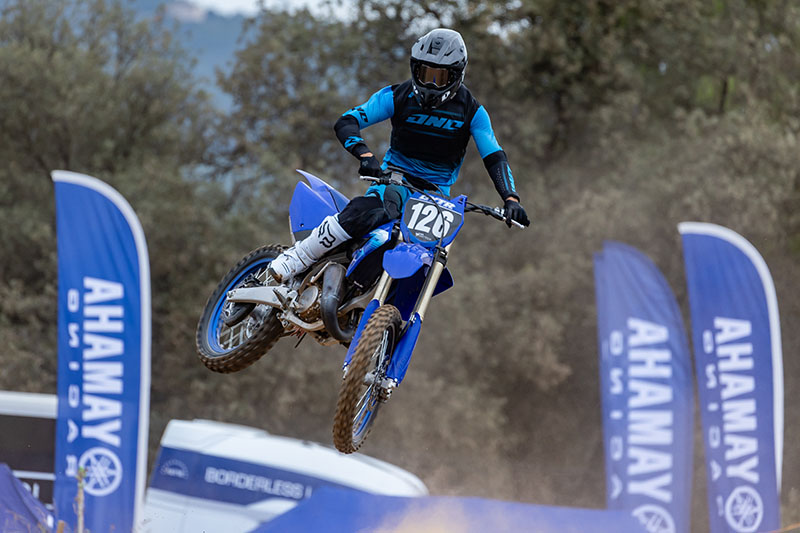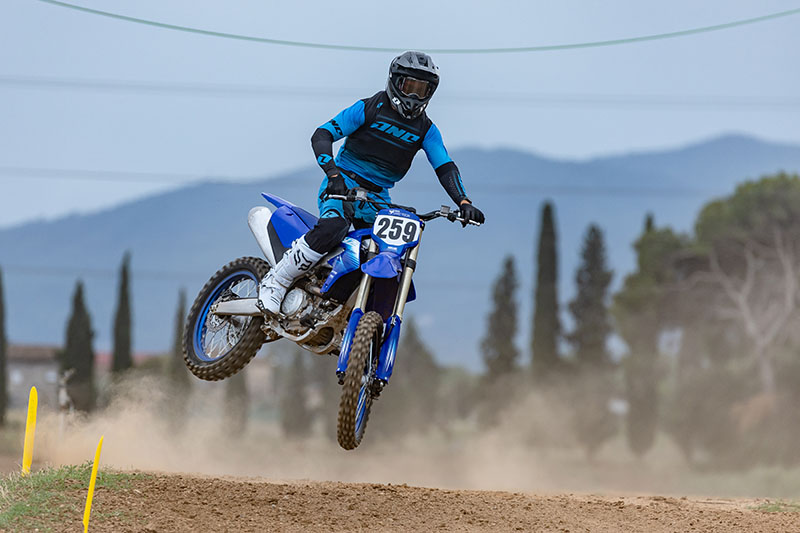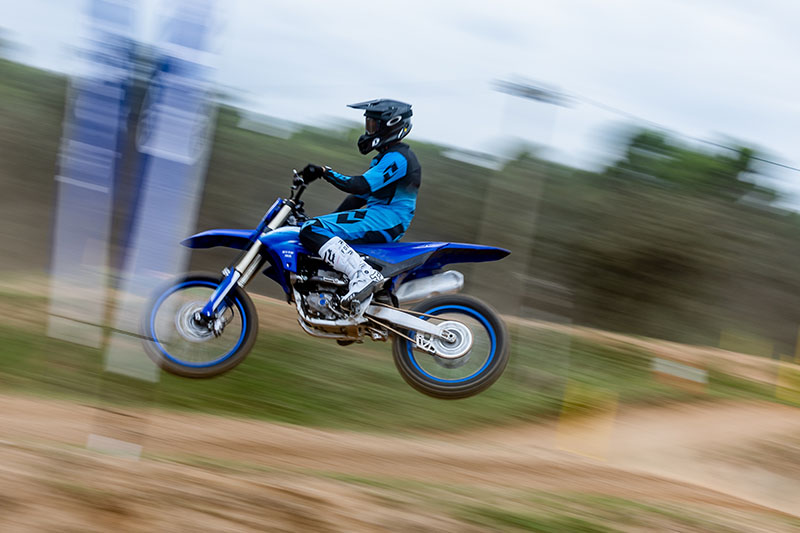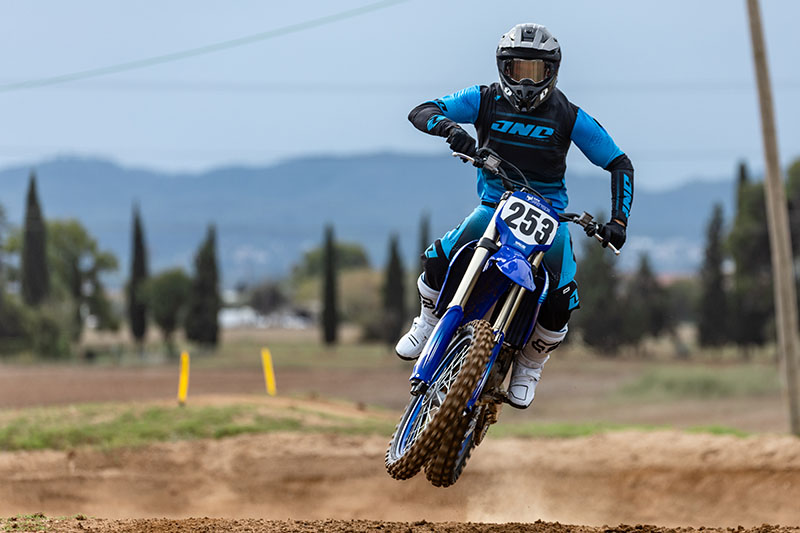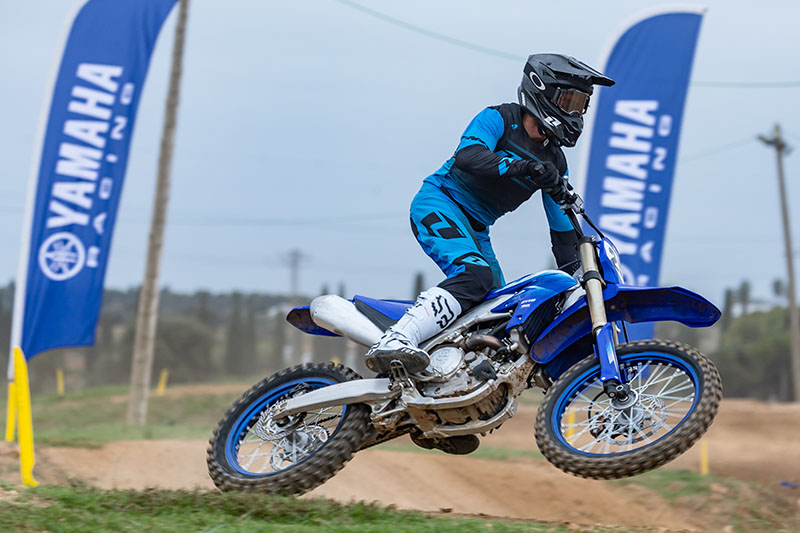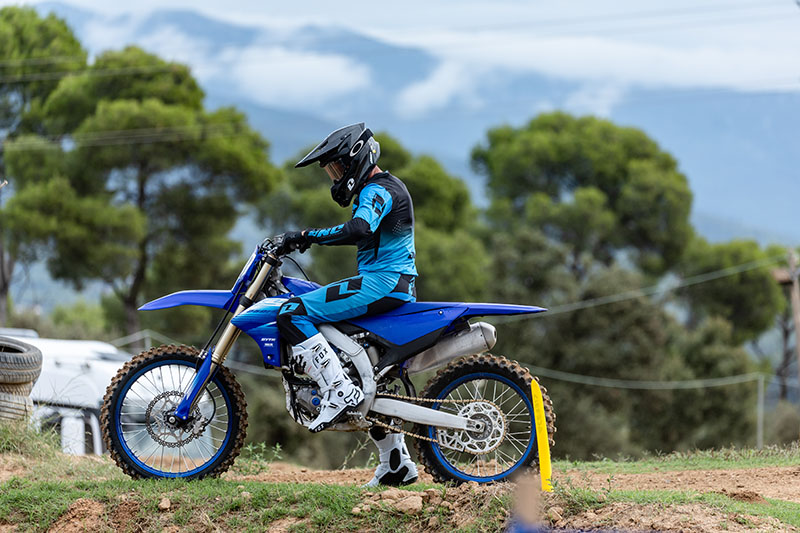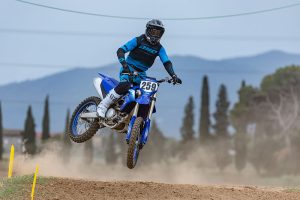
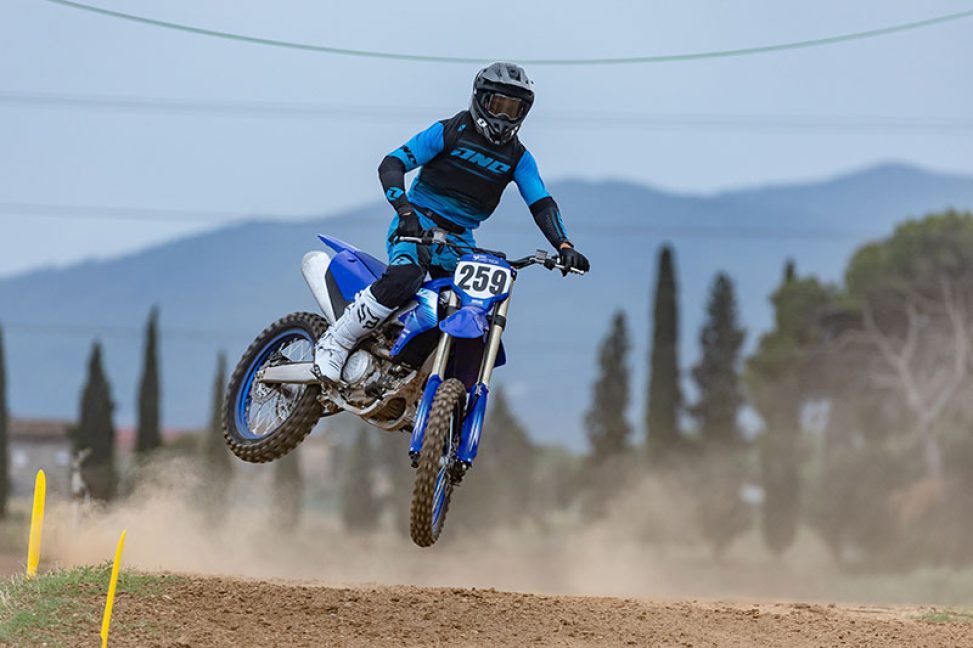
Yamaha enters 2027 with a completely redesigned YZ250F, featuring an all-new engine and chassis as the Japanese manufacturer looks to remain at the forefront of its category. The YZ85 has also received a major update, with several significant changes.
Text: Dani Hernández
As it does every year, Yamaha organised its Yamaha Pro Tour, this time in collaboration with official dealer Motos Ausió. The national event gives riders and enthusiasts the opportunity to get up close with and test the latest YZ models. It also provides the national press with an exclusive presentation of the most significant updates across Yamaha’s motocross range.

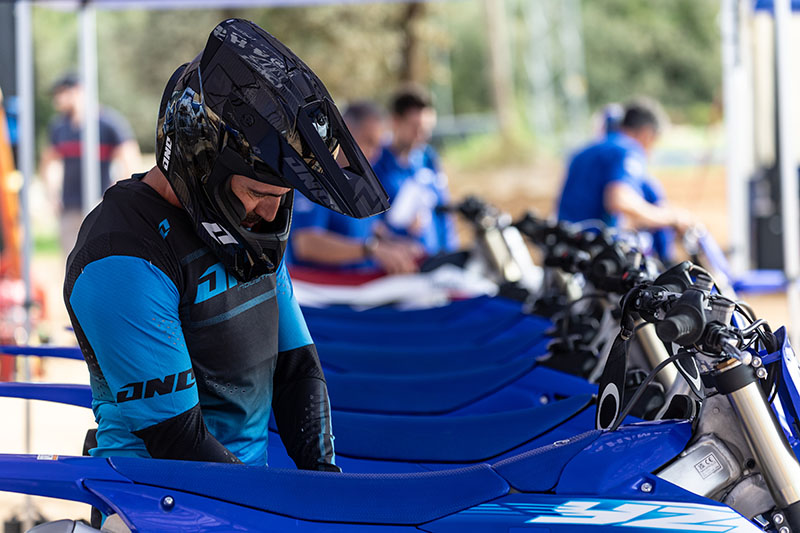
On this occasion, the event took place at the Zona Motor facilities at Ametlla Park, in L’Ametlla del Vallès (Barcelona), where attendees enjoyed a fantastic day of testing on a track designed to be accessible, enjoyable and entertaining for non-competitive riders.
Events such as the Yamaha Pro Tour give the Japanese manufacturer an important opportunity to connect with its audience, allowing potential customers to experience its products first-hand and discover the latest developments in the YZ range.
Full revolution on the new YZ250F 2027
As we have discussed on previous occasions, and much like other manufacturers, Yamaha also follows the philosophy of introducing updates to a different model each year across its main categories. Last season it was the YZ450F’s turn, while for 2027, the YZ250F is the model to receive a complete overhaul.
If I had to describe this new quarter-litre machine in just one sentence, it would be this: the Yamaha YZ250F is one of those bikes that puts a smile on your face from the very first lap. It is easy to handle, incredibly fun to ride and delivers strong power that constantly reminds you that you are riding one of the most competitive machines in its category.
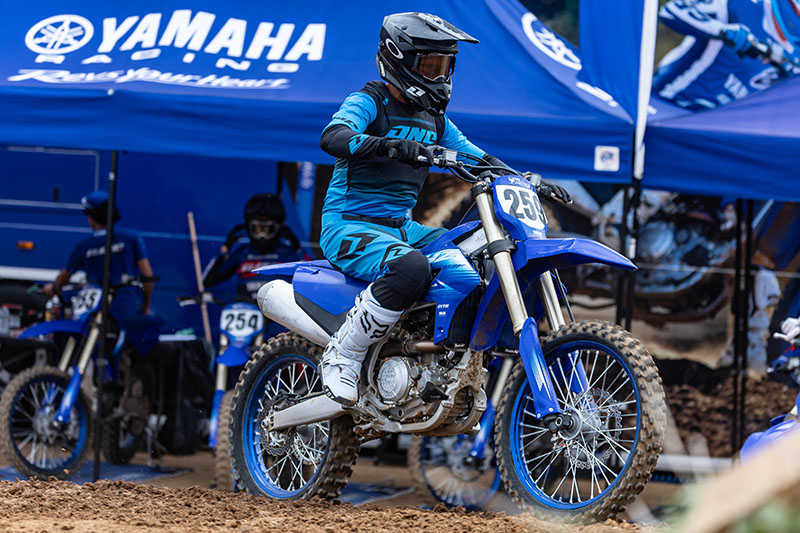
I found it difficult to identify any real weaknesses in this bike. Admittedly, the Ametlla Park circuit was not particularly demanding in terms of technical sections or areas requiring significant engine power. However, thanks to our extensive experience on Motocross tracks, we were still able to draw some important conclusions about this updated model.
Yamaha has developed an entirely new engine designed to deliver high-revving performance. Overall, it provides a linear power delivery, with increased power and torque throughout the rev range. The rev limit has also been raised by 700 rpm compared to the previous model.
Despite the increase in performance, modifications to the airbox and exhaust systems help the YZ250F comply with noise regulations, meeting FIM standards while delivering an optimised exhaust note that is more pleasant and comfortable for the rider. That said, both the YZ450F and YZ250F retain the distinctive, higher-pitched intake noise coming from the airbox positioned beneath the upper section of the seat.
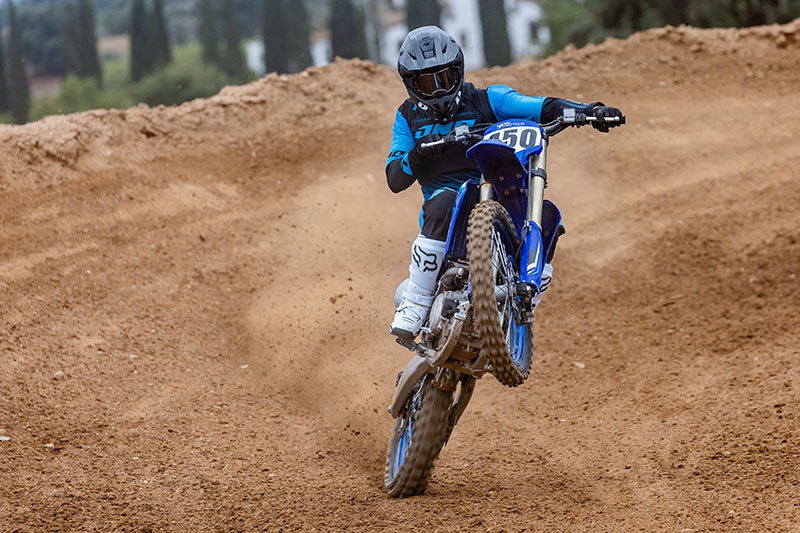
Moving on to the engine, Yamaha has also worked on a new hydraulic clutch design to optimise power delivery to the rear wheel. The previous model’s coil springs have been replaced by a new diaphragm spring, while the primary gear and clutch basket have been integrated into a single steel unit.
Further modifications have been made to the crankshaft, cylinder head, cam chain and cooling system. The objective was to create a more compact, lighter and durable package, delivering smoother and more consistent engagement, requiring less effort from the rider and eliminating the need for trackside adjustments.
Although the enjoyable layout at Ametlla Park does not feature any particularly long uphill sections, I was still able to appreciate the YZ250F’s racing-inspired power delivery. This quarter-litre machine builds revs progressively and harmoniously, without any excessive peaks in its power curve.
The gears also offer a very balanced spread, particularly third gear, which is one of the most frequently used on Spanish Motocross tracks.
Overall, the engine was one of the strongest aspects of this updated YZ250F.
Chasis, similar to the YZ450F model
The 2027 YZ250F adopts the same advanced aluminium bilateral beam frame as the YZ450F, offering an excellent balance between rigidity and flex. The new internal and external structure, which includes a slimmer front down tube, provides greater stability, improved cornering performance and a more precise, confidence-inspiring front-end feel — an area that had been one of the YZ’s weaknesses in recent years.
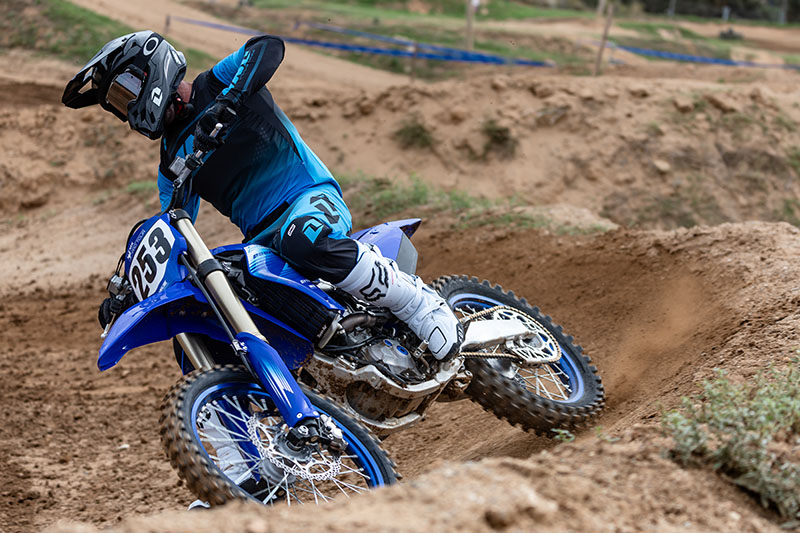
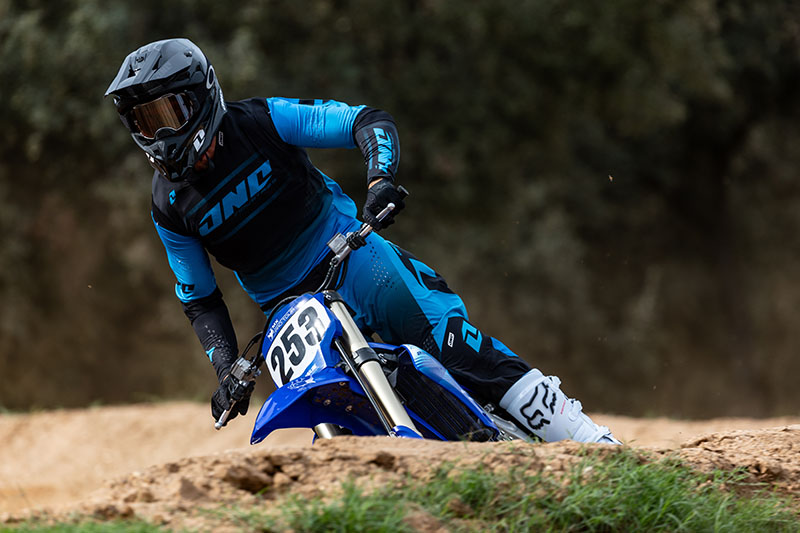
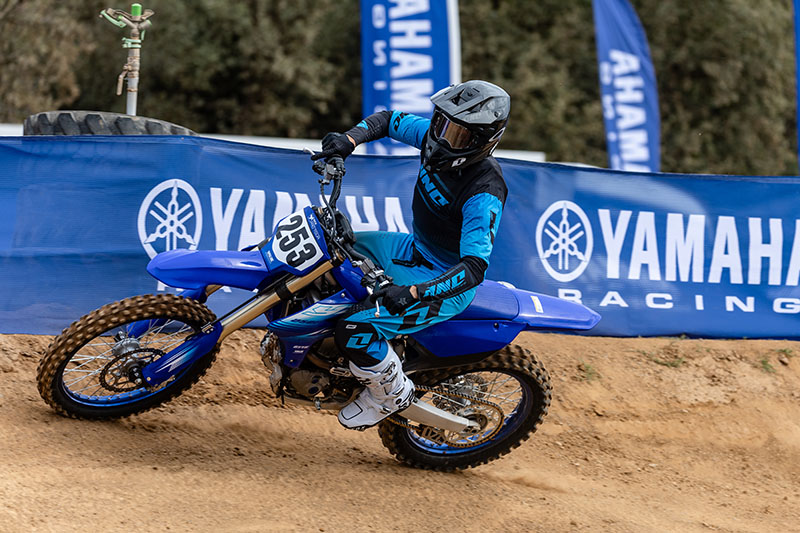
In fact, approaching one of the tight berms on the Catalan circuit, where small bumps were present, I initially felt some uncertainty under braking and while turning, concerned that the front end might tuck in. To my surprise, however, the YZ250F performed exceptionally well.
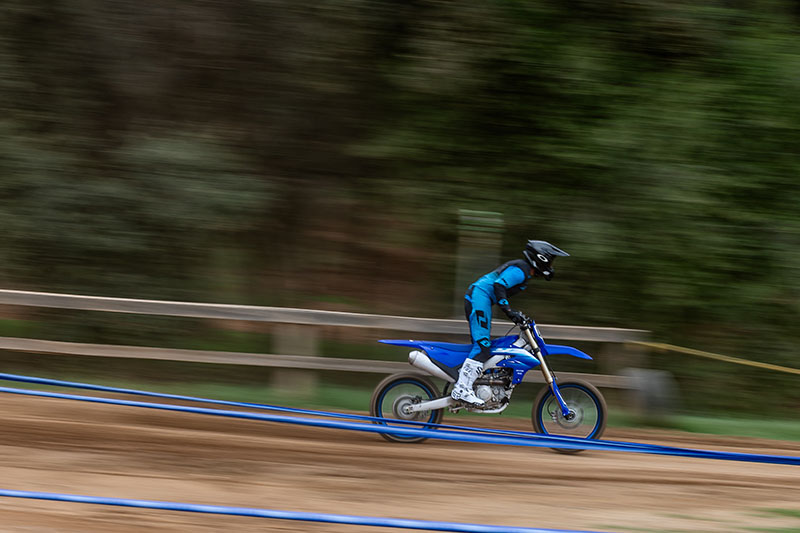
The new engine mounts have also been designed to optimise chassis rigidity, improving comfort and straight-line stability while delivering a more manageable character and predictable response.
These chassis improvements translate into greater ease of use across all types of terrain, from slow, tight corners to fast turns and corner entries and exits over rough, bumpy sections. The result is a bike that is easier to lean into corners and keep on line, providing a higher overall level of control.
When it comes to the Kayaba suspension, Yamaha has introduced a new shock absorber featuring a revised valve structure, along with updated compression and rebound passages. It now also features an increased number of piston flow ports, six instead of five, helping to reduce deflection and stress on the shim stack. Low-speed compression can also be adjusted without tools.
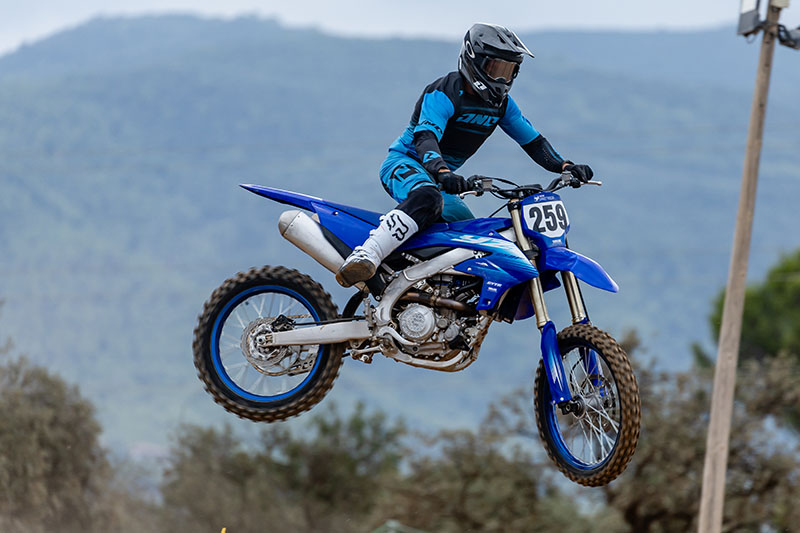
As for the front fork, its settings have been updated to suit the new frame, and a scraper has been added between the oil seal and dust seal.
Scrubs, heavy braking and cornering through fast berms provided the best test for the YZ250F’s suspension performance. Perhaps the one area where I had some reservations was at the end of the straight under heavy braking. As the day progressed, a few fast bumps began to develop, and the shock absorber needed some adjustment to better suit my weight and riding style.
Overall, however, we really liked the feeling the YZ250F delivers, particularly its consistent traction and ability to keep the rear wheel planted on the ground.
On any motocross bike, it is often the small details that make a difference for the rider. These can range from the handlebars and footpegs to the overall design of the machine. For 2027, Yamaha has focused on these finer details, introducing an improved anti-slip seat cover, new bodywork, a redesigned footpeg layout and a lighter, more effective rear brake.
Another useful feature for riders is the Power Tuner app. Yamaha was a pioneer in bringing connectivity to the Motocross sector, allowing riders to create and adjust engine maps. Today, the app offers a wide range of functions, including engine setting adjustments (seven levels ranging from smoother to more aggressive), traction control, launch control, a lap timer, maintenance monitoring and bike data logging.
Yamaha YZ85: More Control, More Power
Iwata’s little warrior receives an update for 2027, focused on improving power delivery and making the bike easier to ride without losing the explosive character of its engine.
The new Yamaha YZ85 features a broader powerband, stronger mid-range performance and improved response at higher revs. These improvements come from revisions to the exhaust port, YPVS system, intake, carburettor settings and ignition. A larger air filter and a heavier flywheel complete a package designed to combine acceleration with greater control in all riding conditions.
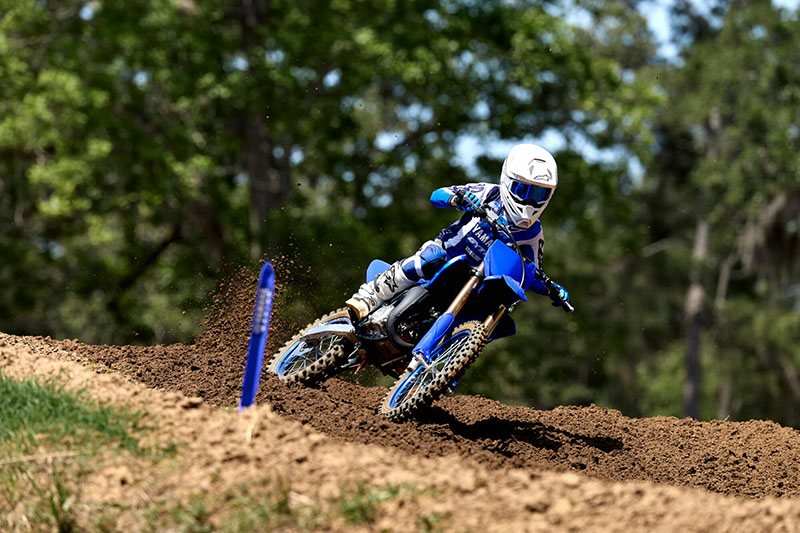
Reliability has also been a major focus. The new cylinder head uses a material with improved heat-transfer properties, while the water pump has been reinforced to optimise cooling performance.
The transmission receives revised treatments on the third and fourth gear wheels, while the clutch features new friction material and an additional vibration-damping spring to improve operation and durability.
On the chassis side, the new engine mounts help optimise overall rigidity and improve stability through corners and over bumps. The update is completed with handlebar padding that matches the rest of the YZ range.
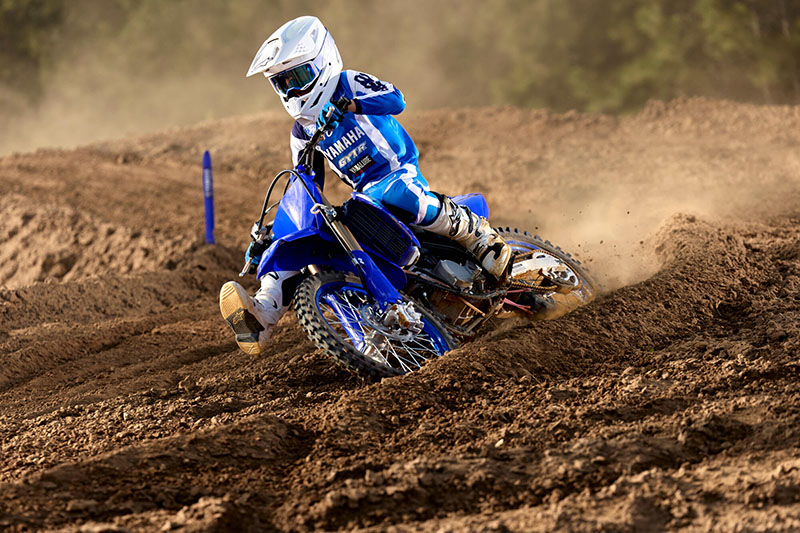
The result is an 85cc machine designed to help young riders progress with greater confidence: a more usable, consistent and manageable bike that aims to turn its mechanical improvements into greater speed and performance on track.
bLU cRU Programme
Yamaha’s bLU cRU programme is an excellent initiative designed to support young riders and guide them throughout their development in national and international Motocross.
In Spain, the programme is led by former rider Álvaro Lozano, with the aim of discovering new talent and providing opportunities for young riders to improve their technique and progress to higher levels of competition. The initiative combines racing opportunities, training activities and sporting support for both riders and their families.
The programme revolves around the YZ65, YZ85 and YZ125 models, with championships and international events such as the YZ bLU cRU FIM Europe Cup SuperFinale. These events allow the best participants to compete against young talents from other countries and take another step towards their dream of becoming professional riders.