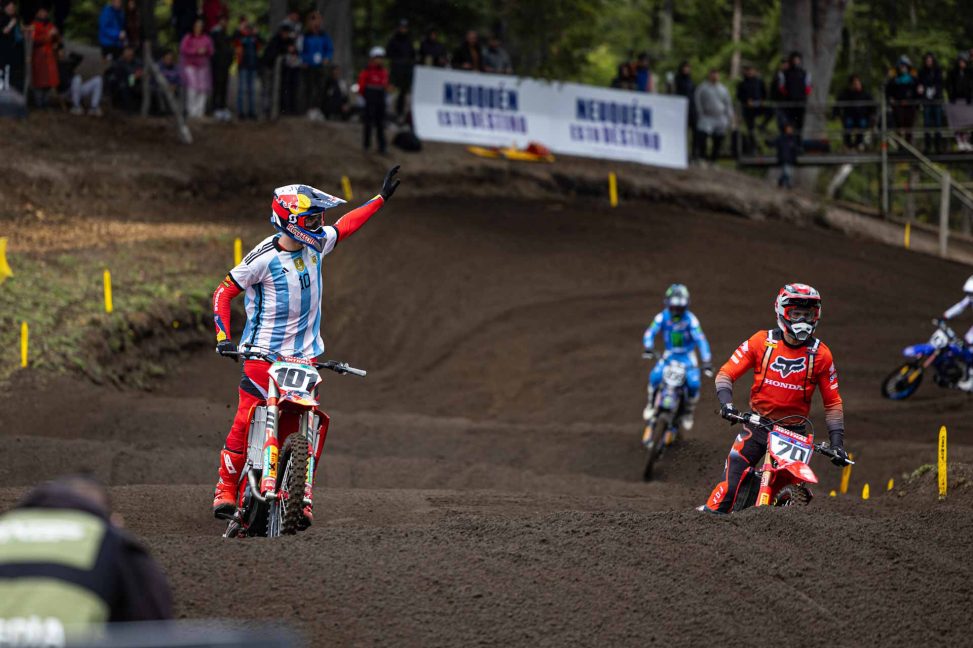
On March 7 and 8, the MXGP Motocross World Championship arrives at its new venue in San Carlos de Bariloche, Argentina, a track designed entirely for the occasion and set to mark a new chapter in the country’s history on the world championship calendar. The 2026 season promises to be one of the most competitive in recent years, with two categories full of talent and title contenders. But before looking ahead, it is worth pausing for a moment to look back at the path that led world motocross to these lands.
Long before the World Championship officially landed on Argentine soil, the foundation had already been laid. The driving force behind it was a Belgian immigrant named Jean Pierre Raemdonck. In the 1950s, he was part of a Brussels-based group called “Los Pistones Alegres,” one of many post-war motorcycle clubs formed by enthusiasts experimenting with national engines in pursuit of speed and adrenaline.
After completing his military service and determined to avoid a conventional life, Raemdonck and his friend Charles Decorte shipped their motorcycles to the United States. From California, they embarked on an almost epic journey that eventually brought them to Argentina, settling in Villa La Angostura. Between 1962 and 1964, they began organizing jump exhibitions, and in 1966 they staged what is widely considered the first formal motocross race not only in Argentina, but in much of South America.

Meanwhile, in Europe, the FIM Motocross World Championship was already approaching two decades of history. Its expansion beyond the Old Continent, however, would come gradually.
The World Championship Crosses the Atlantic
The first Grand Prix held in the Americas was the sixth round of the 1973 500cc World Championship at Carlsbad, California, during the early years of AMA Pro Motocross. Twelve years later, in 1985, the championship caravan made its definitive move into South America.
Argentina and Brazil hosted the closing rounds of the 125cc championship. On August 18, 1985, Salta staged the first Argentine Grand Prix. Finland’s Pekka Vehkonen, riding a Cagiva, delivered a flawless 1-1 performance in front of 35,000 spectators.
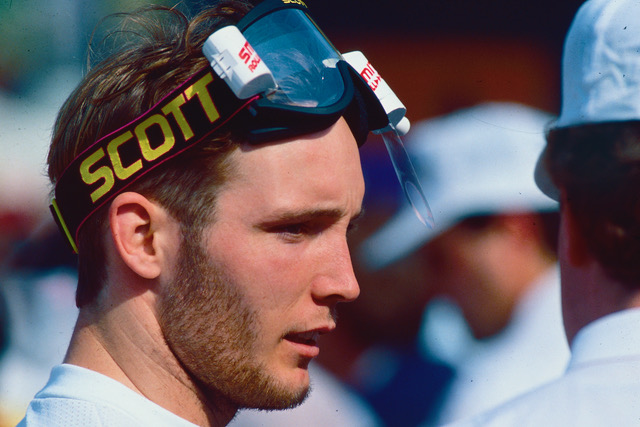
The impact was immediate. Salta organized three more consecutive Grands Prix between 1986 and 1988, alternating between the 125cc and 250cc classes. In 1987, Eric Geboers clinched the 250cc World Championship, securing Honda’s first title in that category. That edition also featured a breakthrough victory by American rider Rodney “Brazuka” Smith, who, after seeking opportunities in Brazil, found in South America the launchpad for his international career.
In 1989, the series moved to Cosquín, Córdoba, where Americans Trampas Parker and Mike Healey secured a 1-2 finish in the 125cc class. However, the socioeconomic instability of the late 1980s forced another hiatus.
Returns and New Eras
Cosquín returned to the calendar in 1994 and 1995, but another long absence followed. It was not until 2010 that Argentina reappeared on the world stage, hosting an MX3 round in La Rioja, where Carlos Campano claimed victory en route to the world title.
The true renaissance arrived in 2015 with the introduction of the Villa La Angostura circuit. The Patagonian venue not only restored Argentina’s place on the MXGP calendar, but redefined its international image. Its dramatic scenery, volcanic soil, and high-level organization earned repeated awards as the best circuit of the championship.
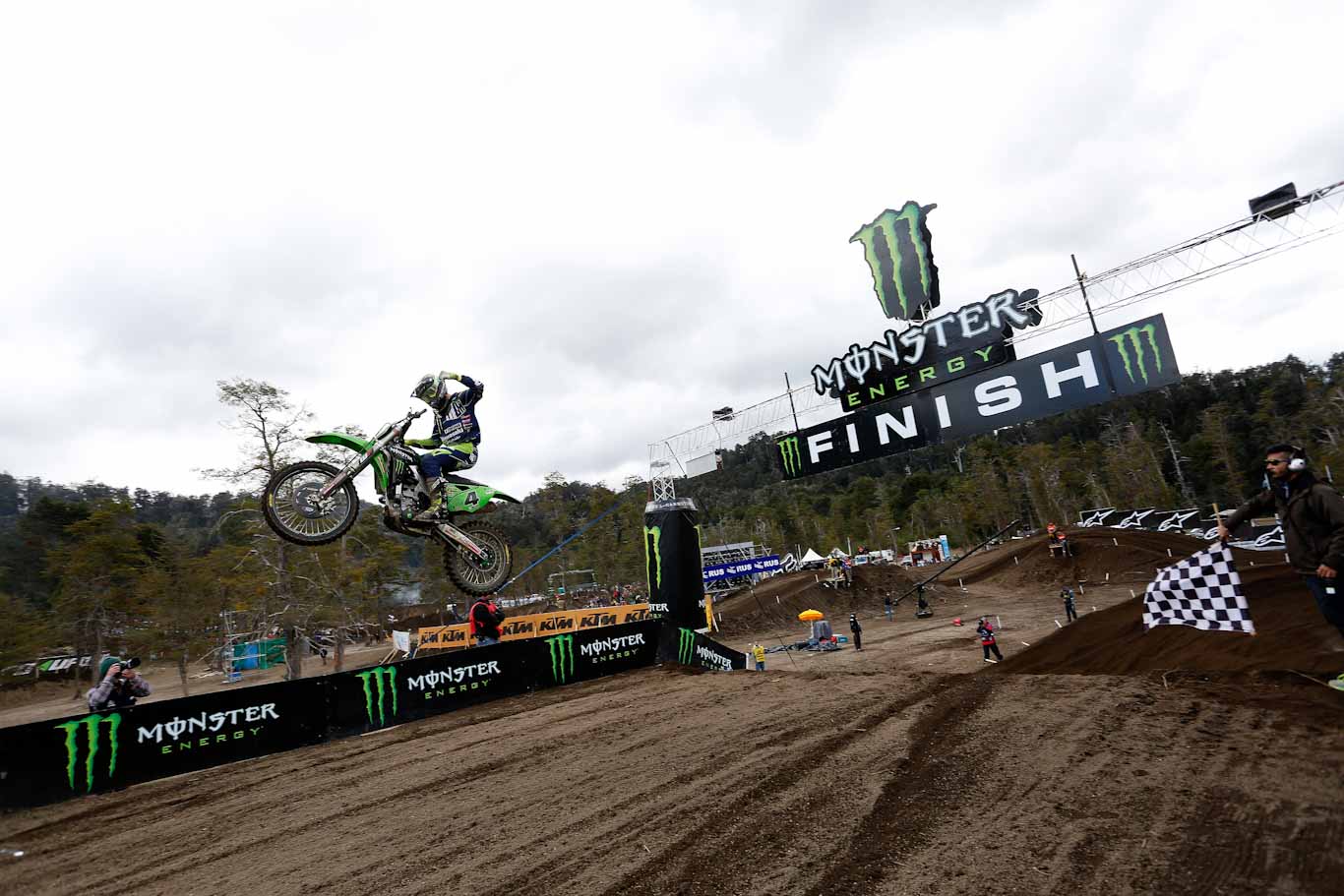
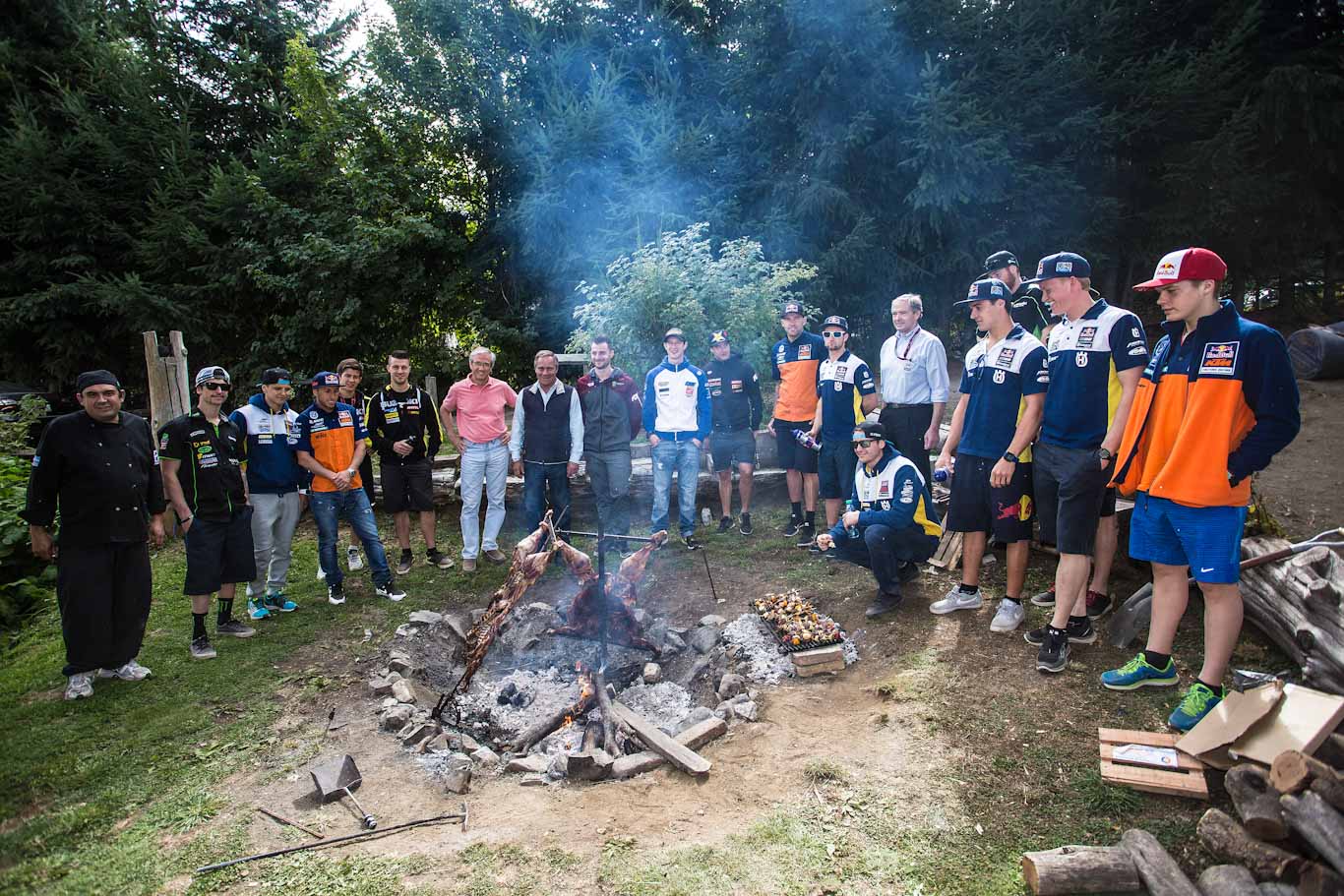
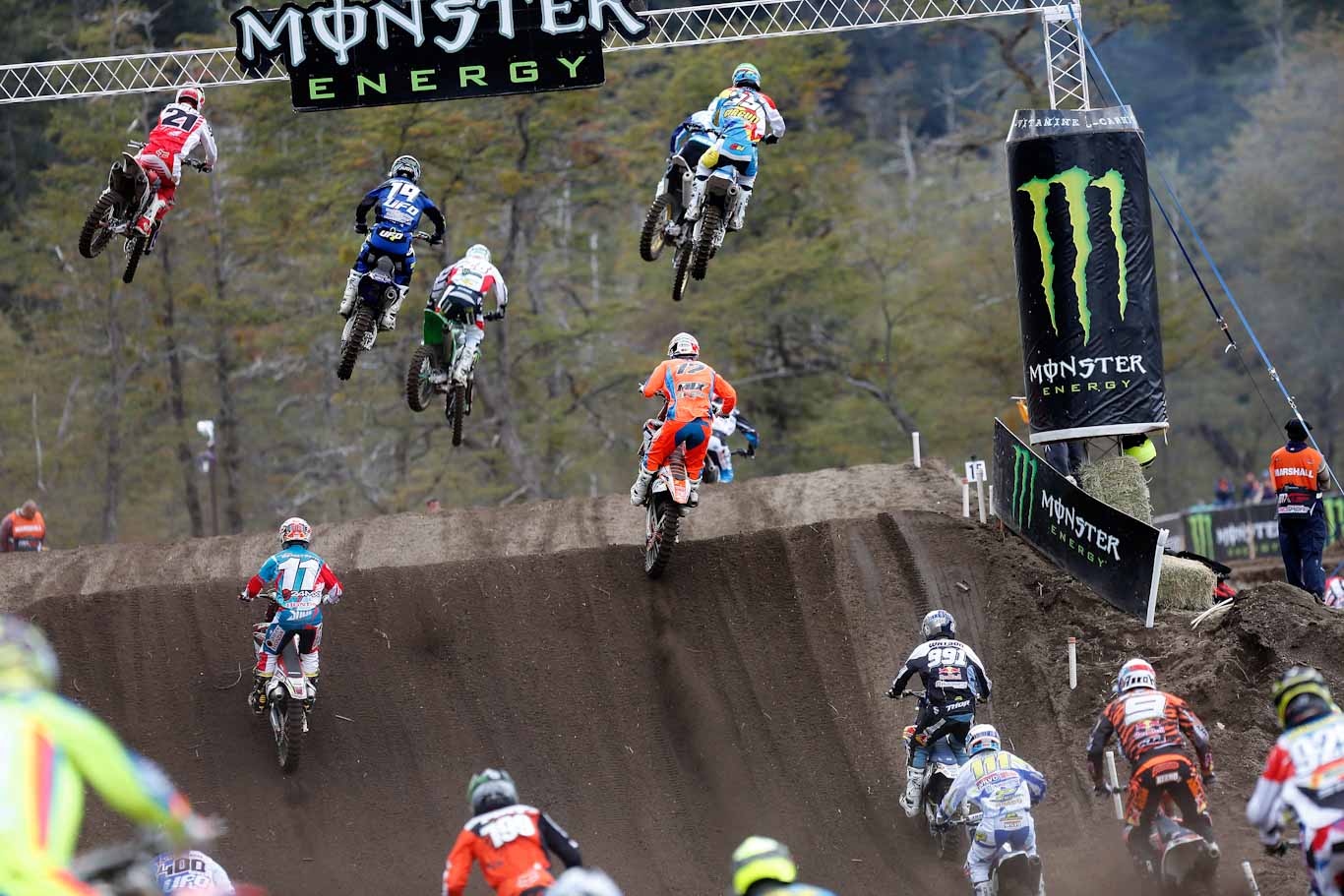
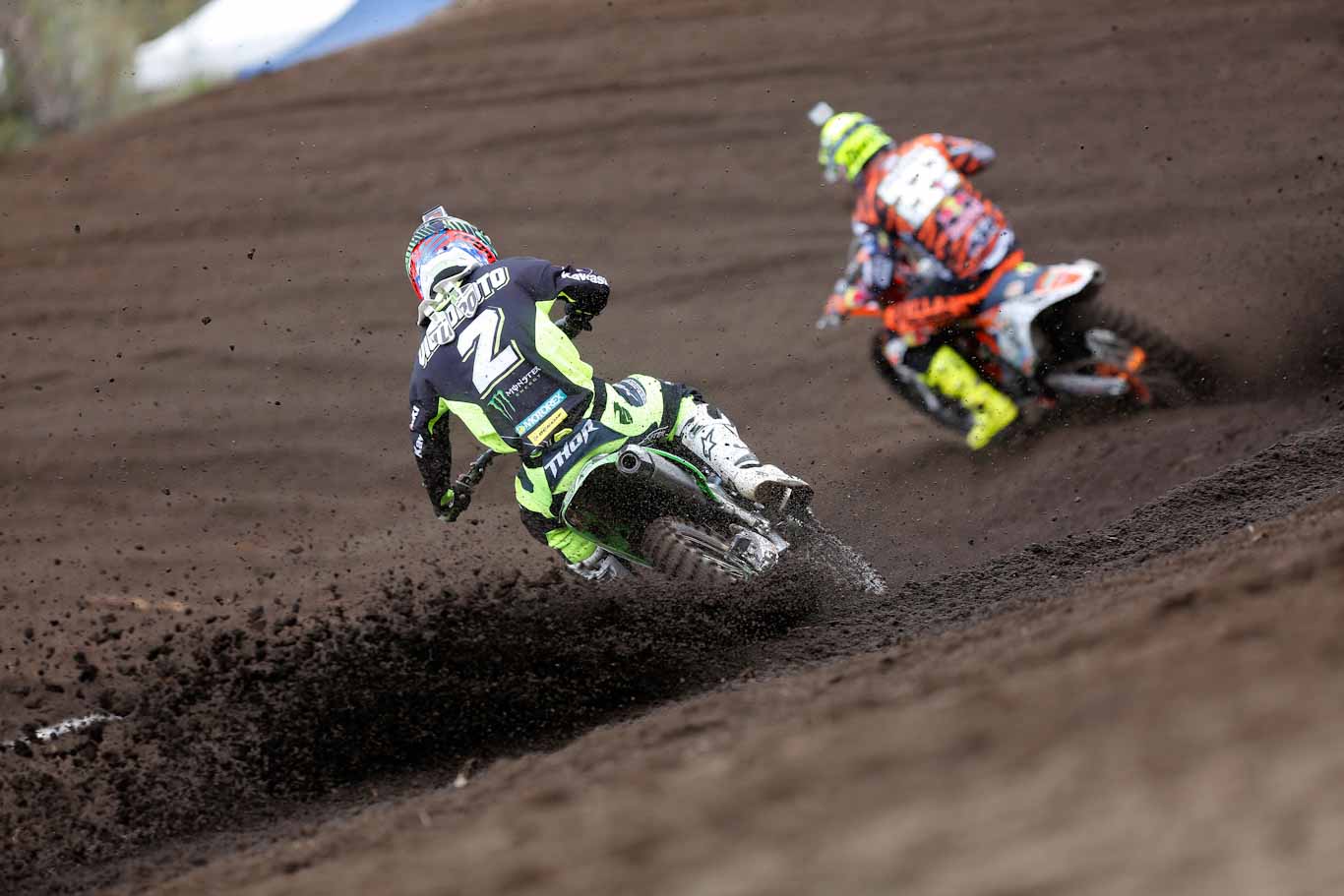
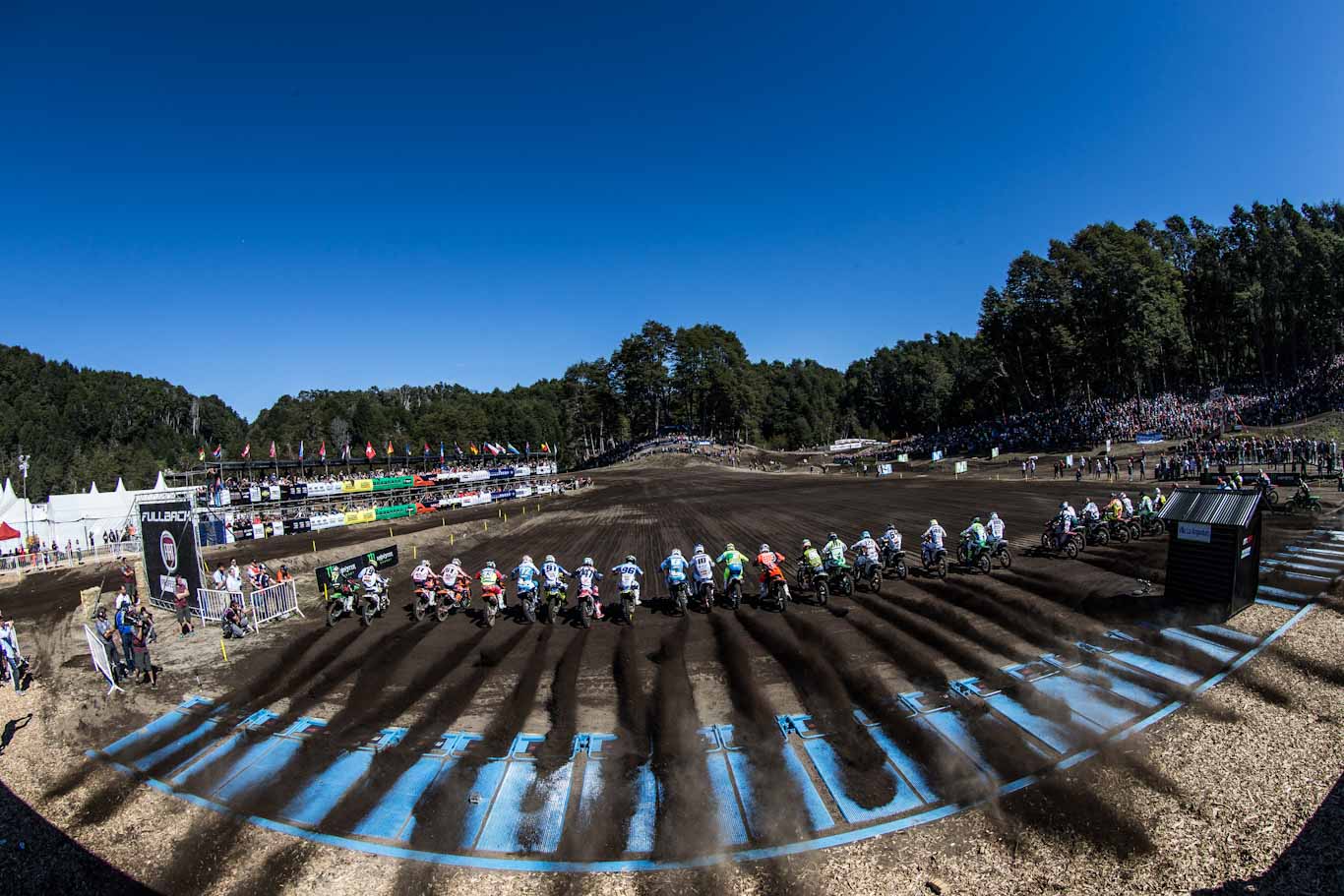
The modern debut edition was memorable. Max Nagl won in MXGP, while Dylan Ferrandis secured his first career Grand Prix victory in MX2. The event also featured one of the rare head-to-head duels between Antonio Cairoli and Ryan Villopoto.
In the years that followed, riders such as Tim Gajser, Jeffrey Herlings, and Pauls Jonass triumphed in different editions. Herlings produced one of the most remarkable comebacks in premier-class history there in 2018.
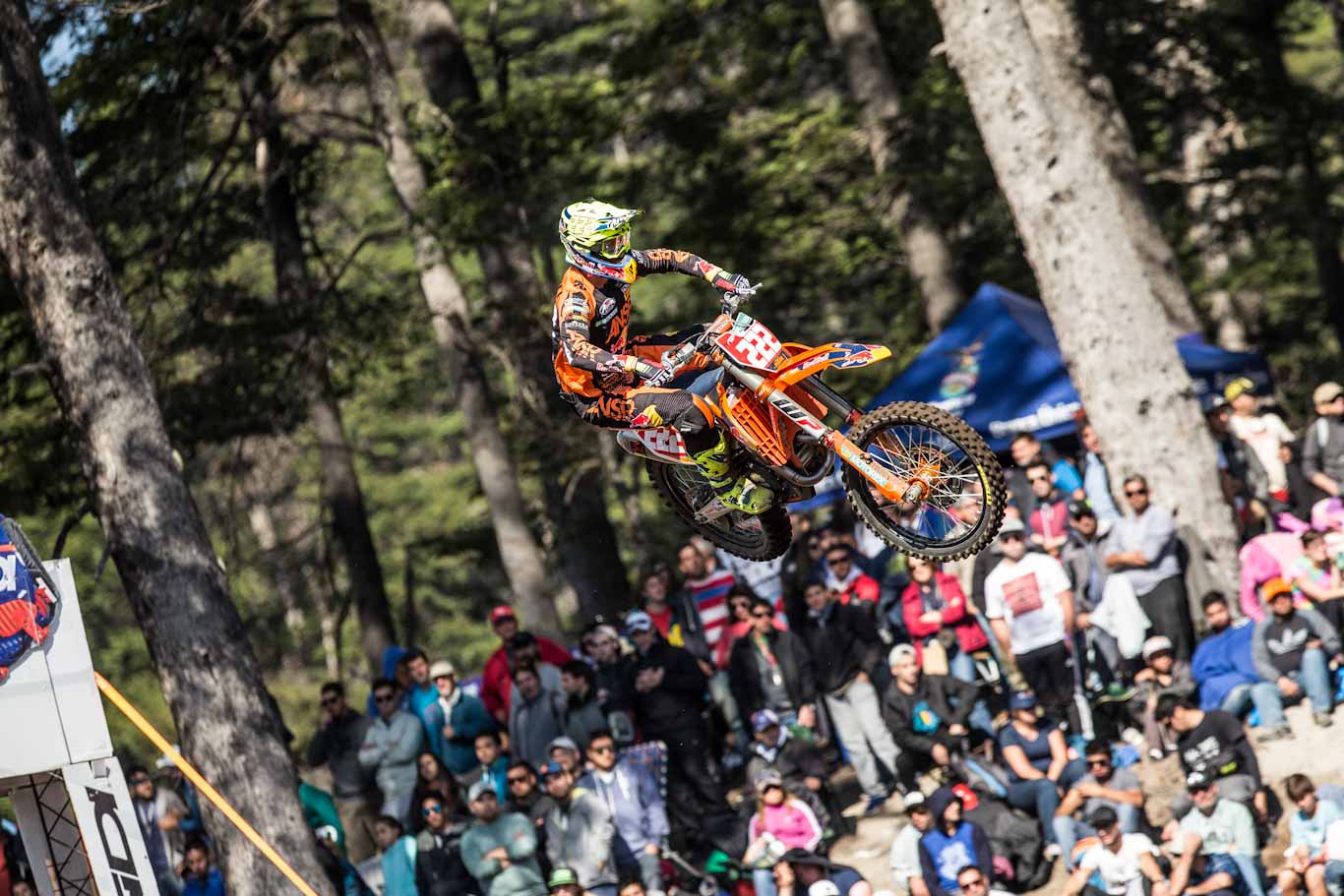
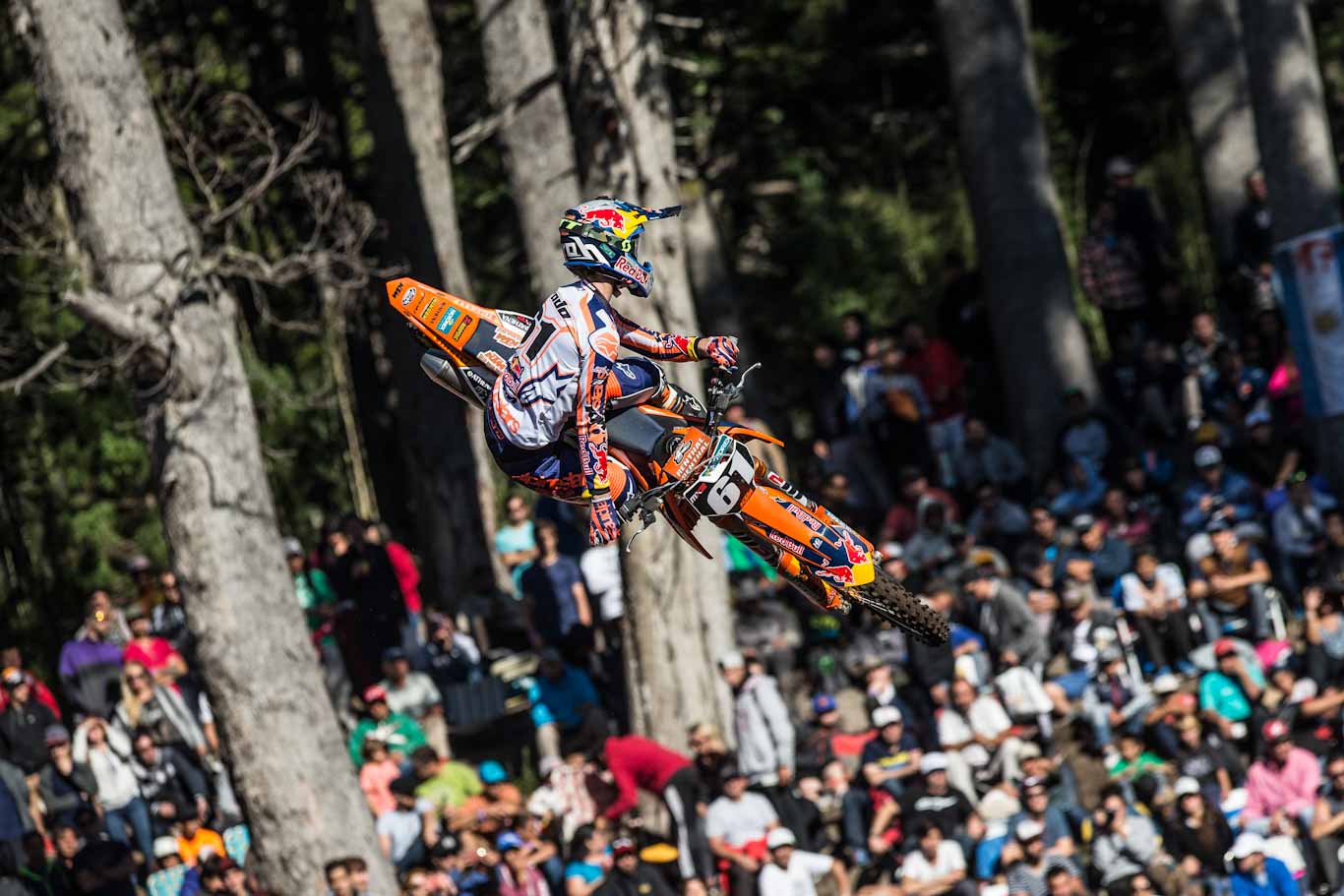
For years, Villa La Angostura proved elusive for both Antonio Cairoli and Jorge Prado. That changed in 2019, when each finally conquered their respective categories at the Argentine venue.
The Recent Era
Following the pandemic interruption, Argentina returned in 2022 with a thrilling edition. Tim Gajser prevailed in MXGP, while Tom Vialle won in MX2 on his way to securing his second world title.
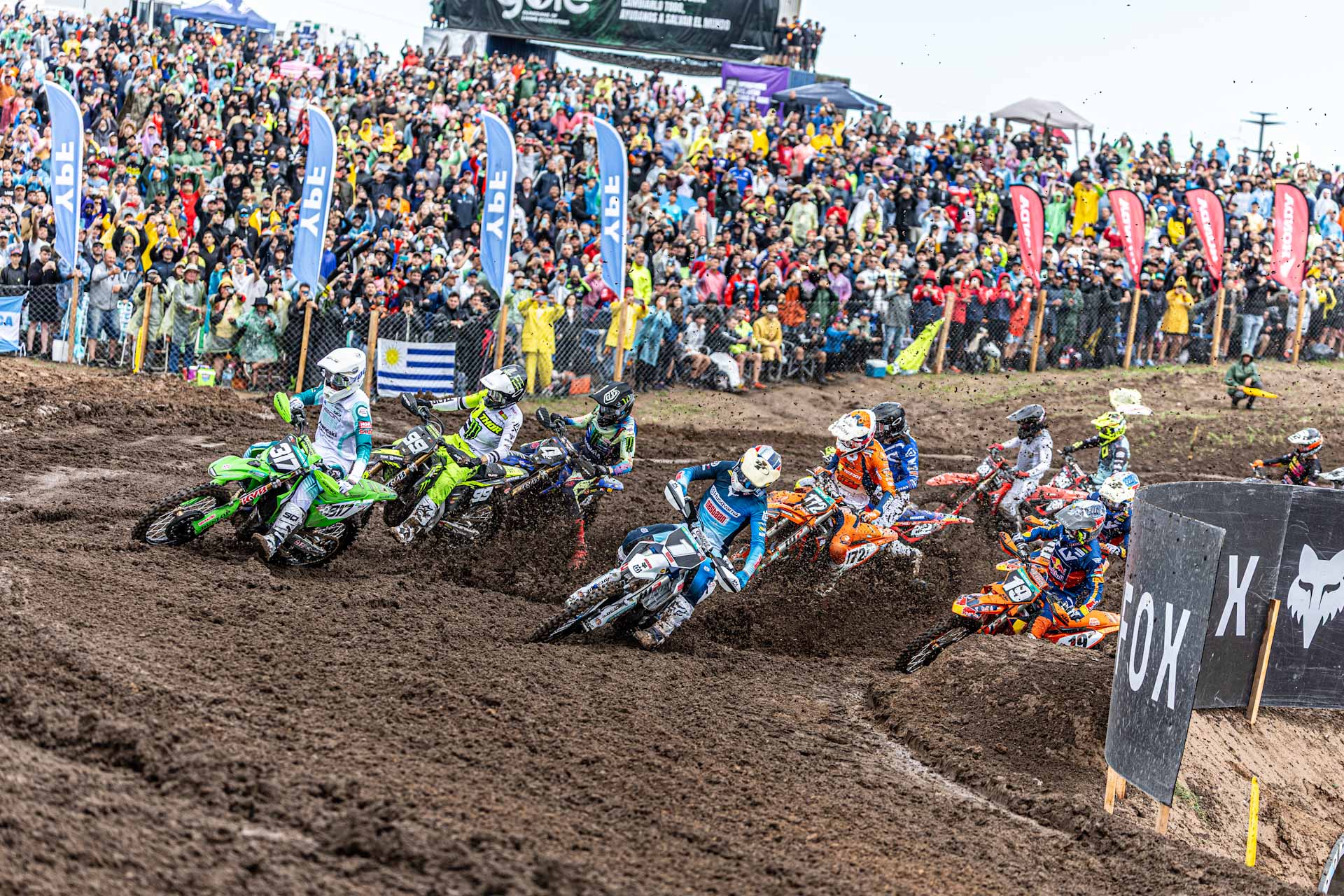
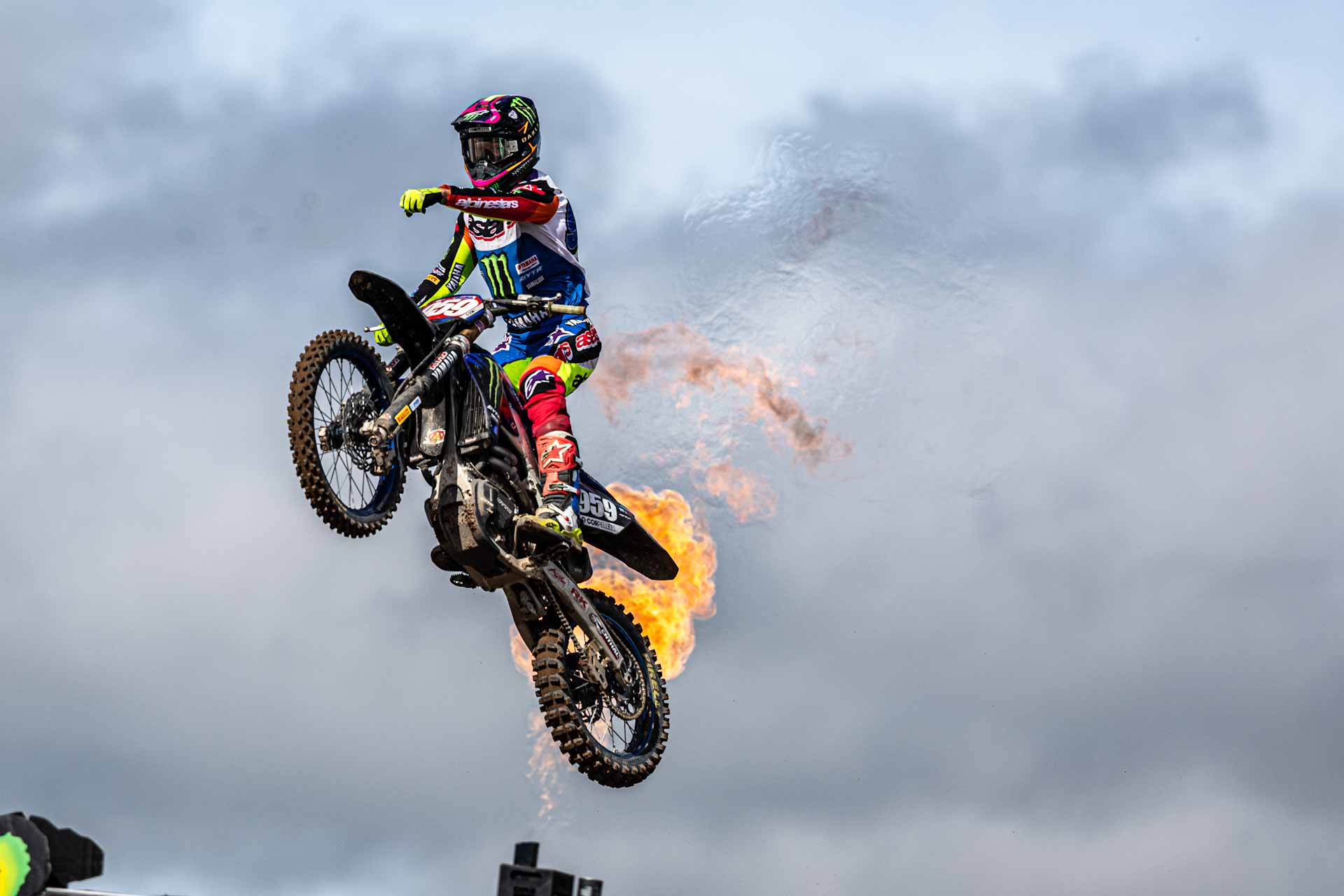
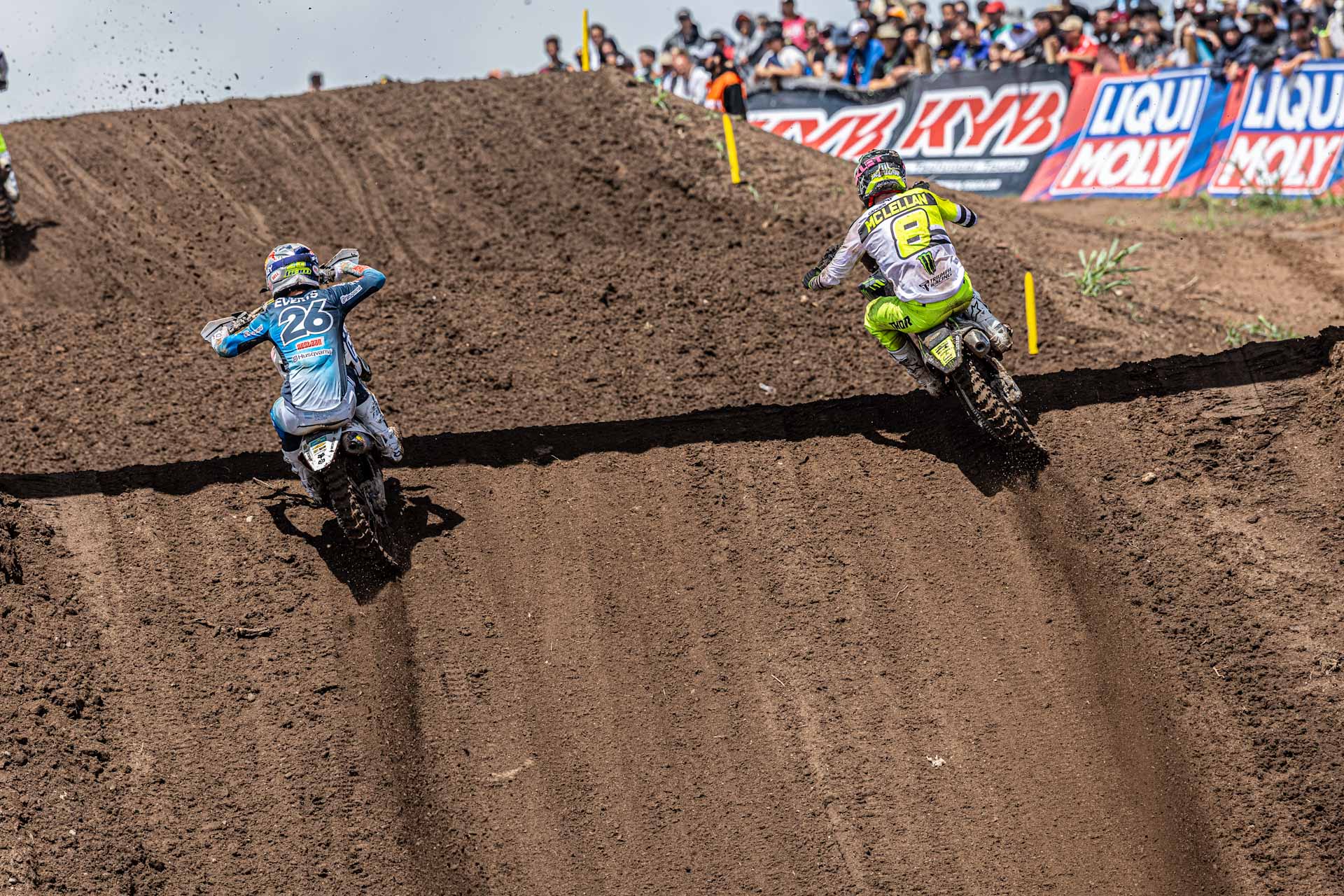
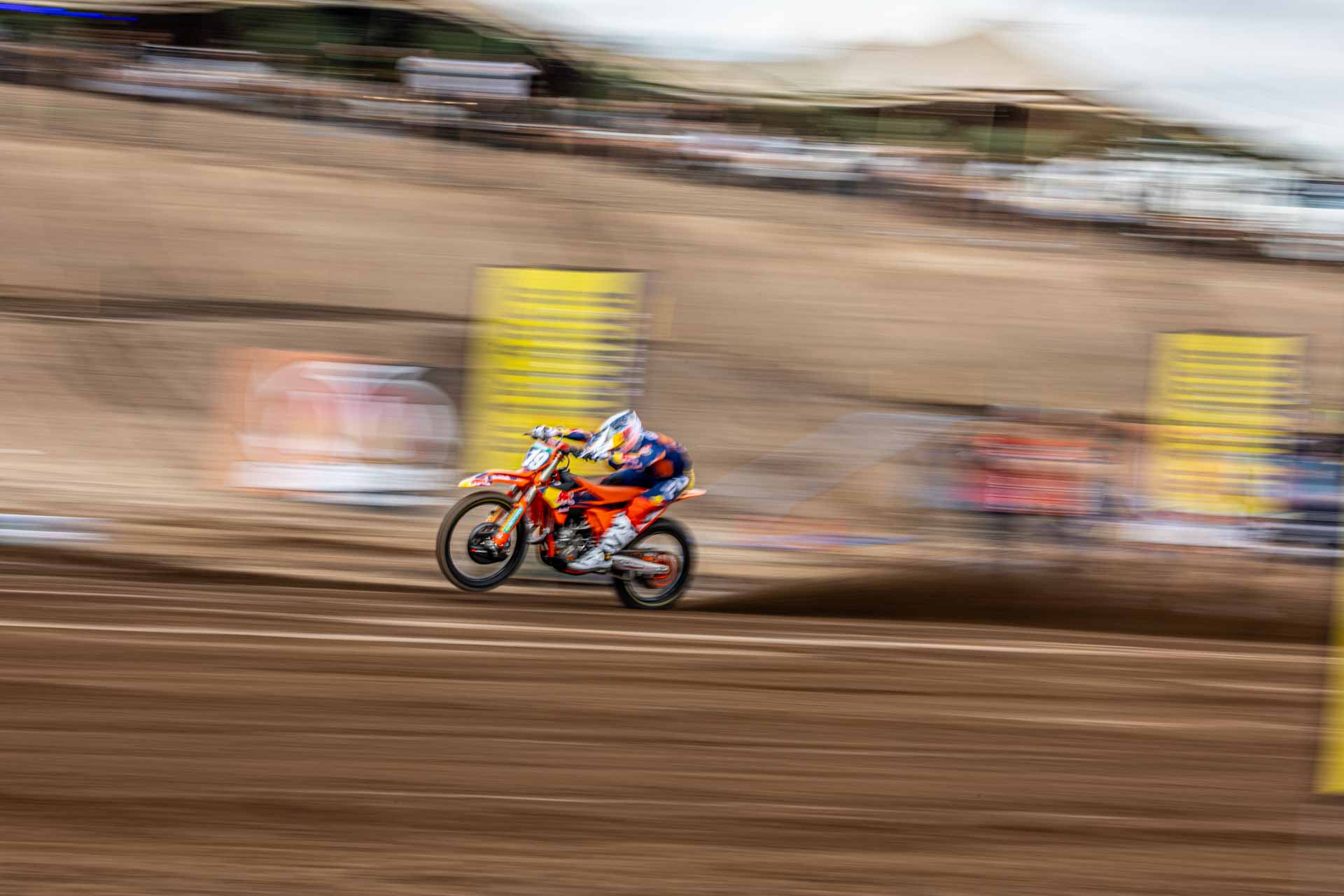
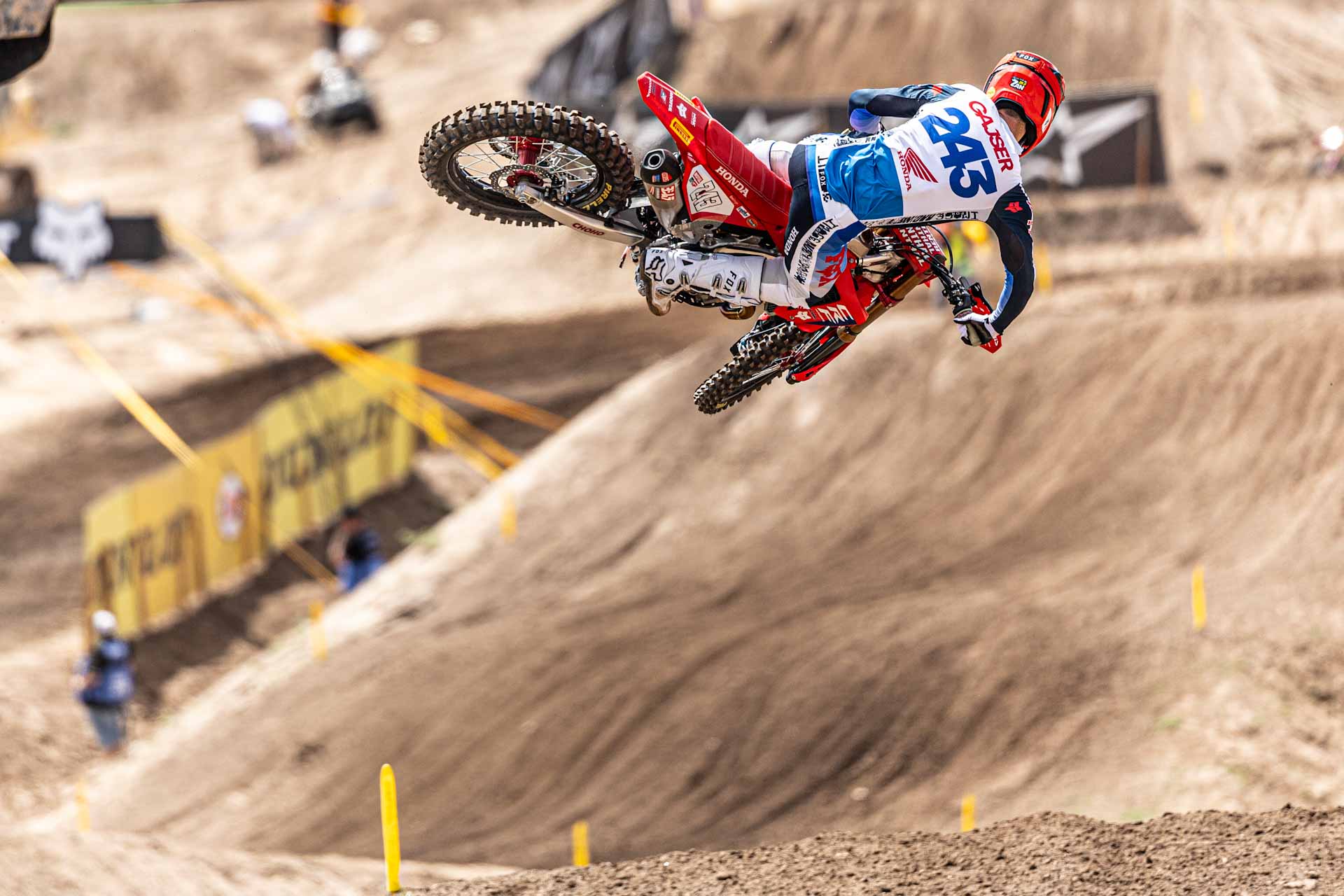
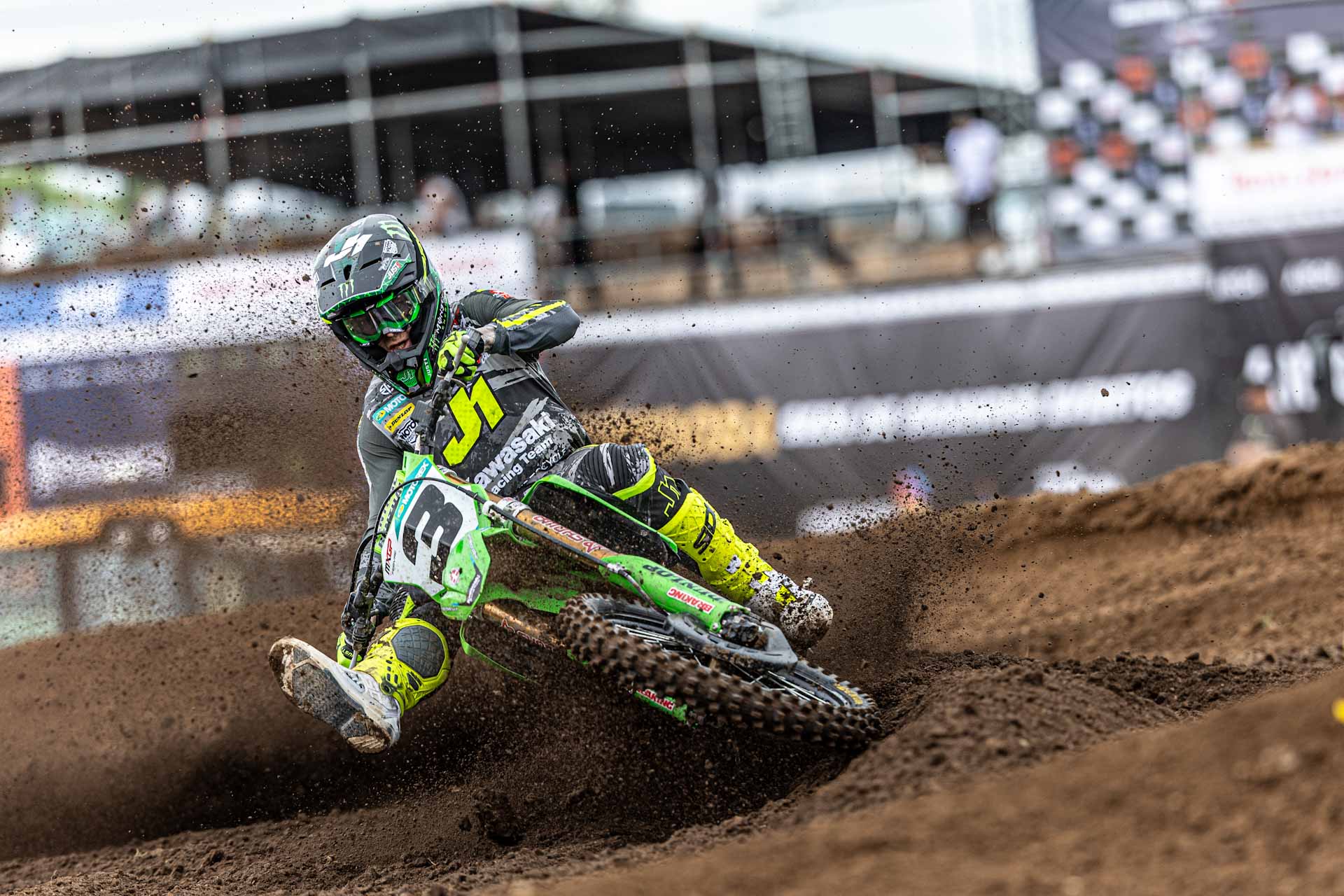
In 2023, Argentina once again opened the championship and delivered a landmark moment for Spanish fans, as Rubén Fernández earned his maiden Grand Prix victory, joined on the podium by Jorge Prado. In 2024, Prado returned to the top step, building momentum toward his second MXGP crown and fourth world title overall.
Last year, the championship introduced a new Argentine venue: Córdoba. There, Maxime Renaux claimed the opening victory of 2025, giving Yamaha its first premier-class season-opening win since 2009. In MX2, Kay de Wolf took the victory and now prepares for his transition into the MXGP class.